WA Hot Water Regulations: What Every Perth Homeowner Needs to Know
We often see Perth homeowners caught off guard by a simple fact: your hot water system has to satisfy two completely contradictory safety standards at the same time.
It feels like a balancing act because it is.
Our team at Hot Water System Perth has noticed that most people don’t realize the regulations actually changed recently to make this balance even stricter.
You might have heard that swapping an old unit for a new one lets you skip the upgrades, but that loophole is largely gone.
We want to walk you through exactly what changed with the May 2024 updates, why 60°C is the magic number for bacteria, and how our compliance upgrades keep your family safe without breaking the bank.
The Two Temperature Requirements
Western Australia’s safety standards are designed to fight two invisible enemies: deadly bacteria and severe burns.
We know it sounds confusing to hear that your water needs to be scalding hot in the tank but merely warm at the tap.
This dual requirement is the only way to ensure total safety.
1. Storage Temperature: 60°C Minimum
Your tank must store water at a minimum of 60°C to prevent the growth of Legionella bacteria.
We prioritize this rule because Legionella—which causes the potentially fatal Legionnaire’s disease—thrives in lukewarm water between 20°C and 45°C.
Storing water at 60°C kills these bacteria in about 32 minutes, while 65°C kills them in under two minutes.
This rule applies to all storage systems, including:
- Electric storage units
- Gas storage systems
- Solar hot water tanks
- Heat pumps with integrated storage
2. Delivery Temperature: 50°C Maximum
While 60°C is safe for the tank, it is far too dangerous for your skin.
Our technicians always explain that water delivered to bathroom outlets (showers, basins, and baths) must not exceed 50°C.
The difference in safety between these two temperatures is shocking when you look at the data.
The Burn Risk Reality
| Temperature | Time to 3rd Degree Burn (Adult) | Time to 3rd Degree Burn (Child) |
|---|---|---|
| 60°C | 5 seconds | 1 second |
| 55°C | 10 seconds | 7 seconds |
| 50°C | 5 minutes | 5 minutes |
You can see that at 60°C, a child can suffer a catastrophic injury in the blink of an eye.
We ensure your system limits the temperature to 50°C so that if an accident happens, you have minutes—not seconds—to react.
The Solution: Tempering Valves
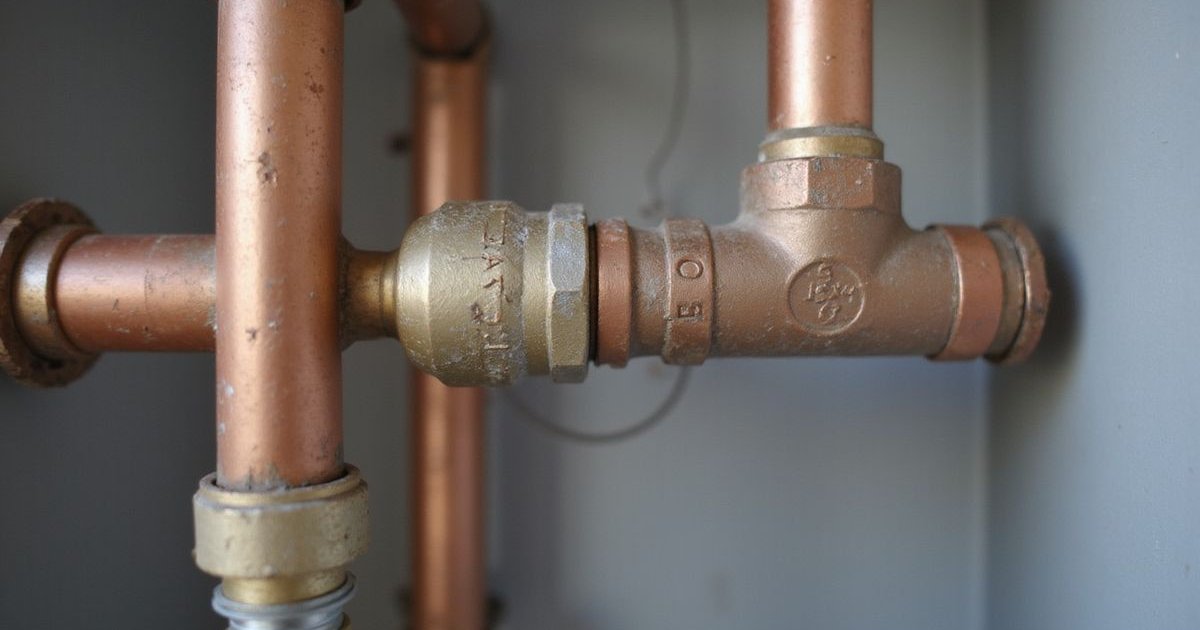
A tempering valve is the bridge that connects these two opposing requirements.
We install these valves to mix the 60°C water from your tank with cold mains water before it reaches your bathroom.
How It Works
Think of the tempering valve as an automated traffic controller for your plumbing.
It sits on the hot water line and constantly adjusts the mix of hot and cold water to ensure the output remains at a steady 50°C or lower.
We typically use trusted brands like RMC (Reliance Valves) or AVG (Australian Valve Group) because their “fail-safe” mechanisms shut off the hot water completely if the cold water supply fails.
Strategic Installation
You generally do not need this temperature limit for your kitchen or laundry.
Our installers usually place the valve so that it only restricts water going to the bathroom, allowing your kitchen tap to deliver hotter water for scrubbing greasy pans.
The “Like-for-Like” Loophole is Closing
This is the single most important update for Perth homeowners to understand in 2026.
We frequently hear customers ask, “If I just replace my old heater with the same type, I don’t need a valve, right?”
That used to be true, but regulations have tightened significantly.
The May 2024 Update
As of May 1, 2024, WA regulations require a temperature control device (like a tempering valve) to be installed when replacing a water heater in any existing heated water installation used for personal hygiene.
We need you to know that the old “like-for-like” replacement exemption typically no longer applies if that system feeds a bathroom.
Ignoring this update doesn’t just risk a fine; it puts your household at risk of scalding.
Compliance Costs in 2026
Budgeting for these safety upgrades is easier when you know the real-world numbers.
We have broken down the typical costs you can expect for supplying and installing a quality tempering valve in the Perth metro area.
Estimated Price Breakdown
| Service Component | Estimated Cost (AUD) |
|---|---|
| Valve Supply (RMC/AVG) | $80 - $150 |
| Labor & Installation | $100 - $250 |
| Pipe Alterations (if needed) | $50 - $150 |
| Total Estimated Cost | $250 - $600 |
Factors that push the cost toward the higher end include difficult access to pipes or the need to move existing plumbing to fit the valve.
Our team provides transparent quotes so you aren’t hit with surprise “pipe modification” fees on the day of the job.
Strict Penalties for DIY Plumbing
You might be tempted to head to the hardware store and install a valve yourself to save a few hundred dollars.
We strongly advise against this.
In Western Australia, plumbing work is highly regulated by the Plumbers Licensing Board.
The $5,000 Risk
Unlicensed plumbing work carries a potential fine of up to $5,000 for individuals.
Even simply advertising that you can do the work without a license can trigger a $500 penalty.
We have seen insurance companies deny claims for water damage because the work was not certified by a licensed professional.
It simply isn’t worth the risk for a relatively low-cost installation.
Buying and Selling Property
WA laws differ from other states when it comes to selling a home with an old hot water system.
We often clarify for real estate agents and clients that there is no mandatory “Certificate of Compliance” required specifically for hot water systems at settlement.
However, the standard REIWA (Real Estate Institute of Western Australia) contract usually includes a clause requiring all plumbing to be in “good working order.”
Smart Moves for Buyers
- Check the Age: If the system is over 10 years old, budget for a replacement and the mandatory valve upgrade.
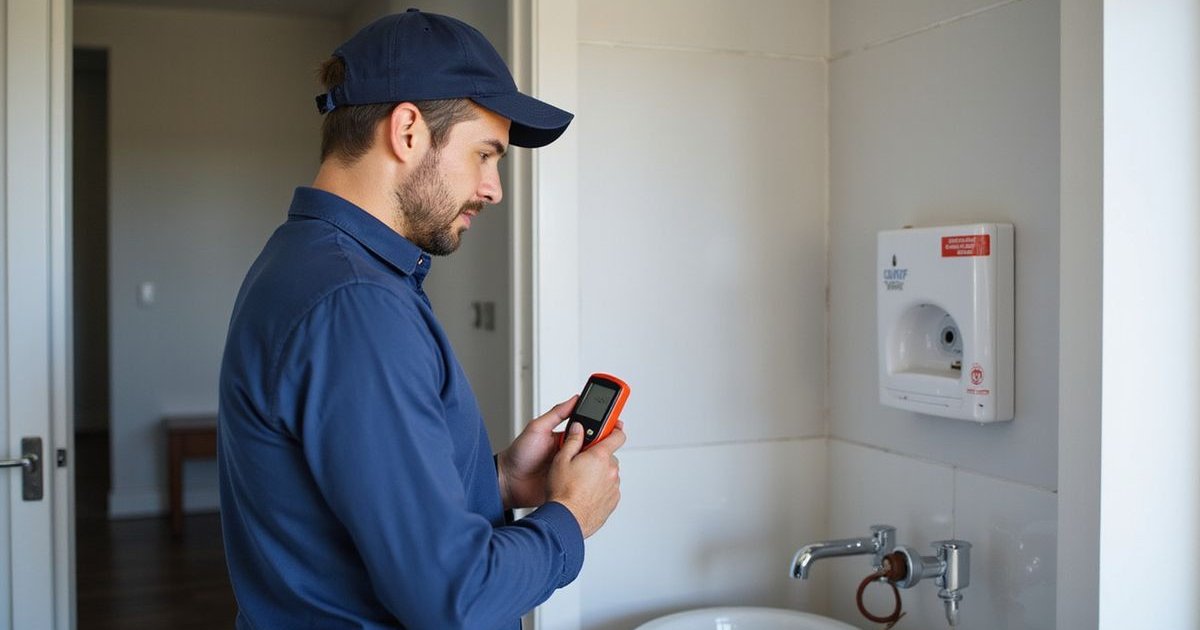
- Test the Temp: Run the bathroom tap; if it steams instantly and is too hot to touch, it likely lacks a compliant valve.
- Request an Inspection: Ask for a plumbing inspection during your due diligence period.
Frequently Asked Questions
Is my pre-2024 system illegal?
No, systems installed legally under previous codes are generally allowed to remain until they need repair or replacement. However, we highly recommend retrofitting a valve now for safety, especially if you have children or elderly family members.
Do tankless (instant) systems need valves?
Many modern continuous flow systems have electronic temperature limiting built-in (preset to 50°C). We can check your model number to confirm if it needs an external valve or if it’s already compliant electronically.
How do I check if I have a valve?
Look for a brass or bronze fitting with a plastic cap (often blue, green, or orange) on the pipe connected to your water heater. If the pipe goes straight from the tank to the wall without any device, you likely don’t have one.
Can I adjust the tempering valve myself?
Technically, you can remove the cap and turn the dial, but you shouldn’t. We recommend having a plumber set it using a thermometer to ensure it is calibrated exactly to 50°C, as accurate adjustment is difficult without the right tools.
Ensure Your Home is Safe and Compliant
At Hot Water System Perth, we believe safety shouldn’t be complicated.
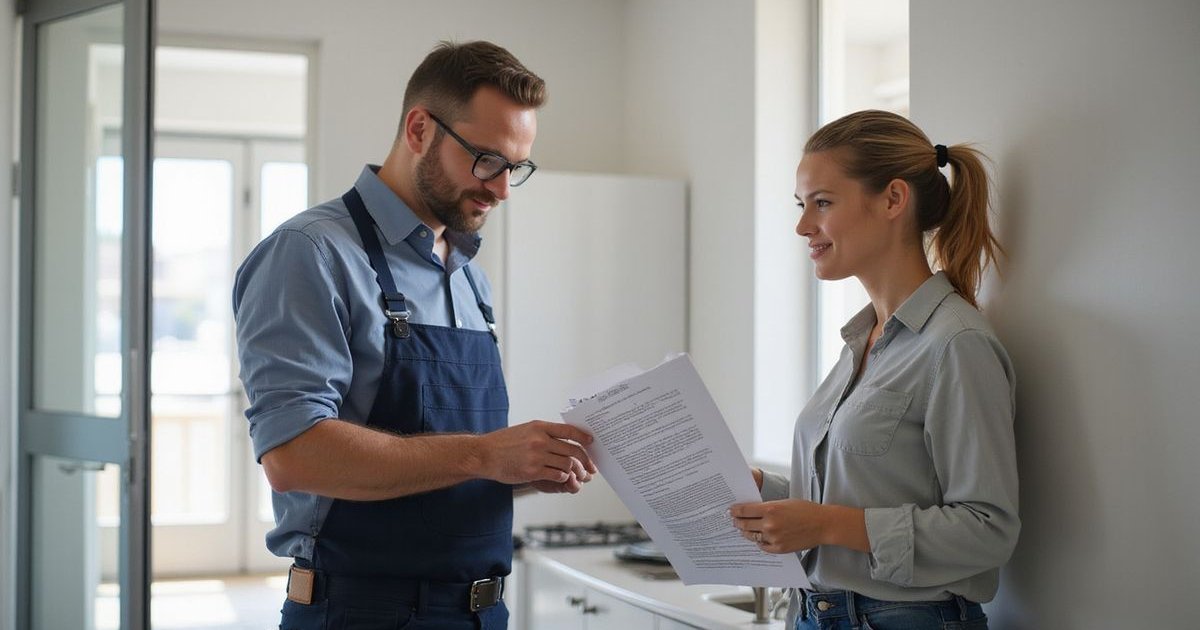
Our licensed technicians can assess your current setup, install high-quality RMC or AVG valves, and issue the compliance paperwork you need for peace of mind.
Don’t wait for a scalding accident or a system failure to upgrade your safety standards.
Contact us today for a quick compliance check and protect what matters most.