Upgrading your hot water system is one of the smartest moves a Perth homeowner can make right now. You know how frustrating it is to watch energy bills climb while wondering if your old gas or electric storage unit is about to fail.
We founded Hot Water System Perth in 2021 specifically to fix this problem, helping locals transition to more efficient technology without the confusion.
The financial incentives for heat pump hot water systems in Western Australia are significant, but they operate differently than standard retail discounts. Understanding how these mechanisms work is the key to securing the best possible price.
Here is a breakdown of the current data, the specific calculation methods for our region, and how to access these funds.
Small-scale Technology Certificates (STCs) Explained
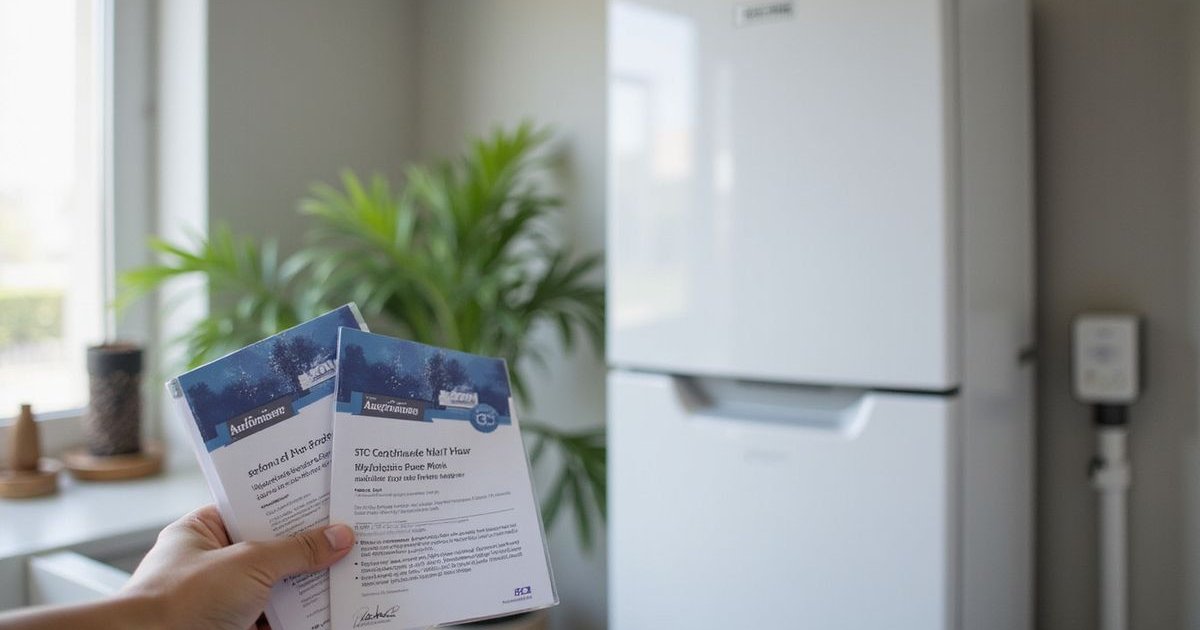
The primary financial driver for reducing the upfront cost of a heat pump is the federal Small-scale Renewable Energy Scheme (SRES). This government initiative does not provide a direct cash check to you. Instead, it provides a subsidy through Small-scale Technology Certificates (STCs).
How the System Works
STCs are a tradeable commodity. When you install an eligible system, the government “deems” the amount of renewable energy it will generate (or electricity it will save) over its lifetime and issues certificates accordingly.
Heat pumps qualify because they extract renewable thermal energy from the ambient air.
The number of certificates you receive depends on three specific factors:
- System Efficiency: Higher-performing units earn more certificates.
- Geographical Location: Australia is divided into climate zones. Perth falls into Zone 3.
- Deeming Period: This is the most critical factor for timing your purchase. The scheme is designed to phase out by 2030, meaning the “lifetime” multiplier used to calculate your rebate drops on January 1st of every year.
The “Phase-Out” Factor
Every year you wait, the rebate value decreases.
A system installed in 2025 receives a multiplier of 6 years. A system installed in 2026 receives a multiplier of only 5 years. This results in a reduction of roughly 15% in rebate value simply by waiting until after New Year’s Day.
Current Value of STCs
Market demand dictates the price of each certificate. While prices fluctuate, they generally hover between $35 and $39 per certificate.
For a high-quality heat pump installed in a Perth home (Zone 3), the math often looks like this:
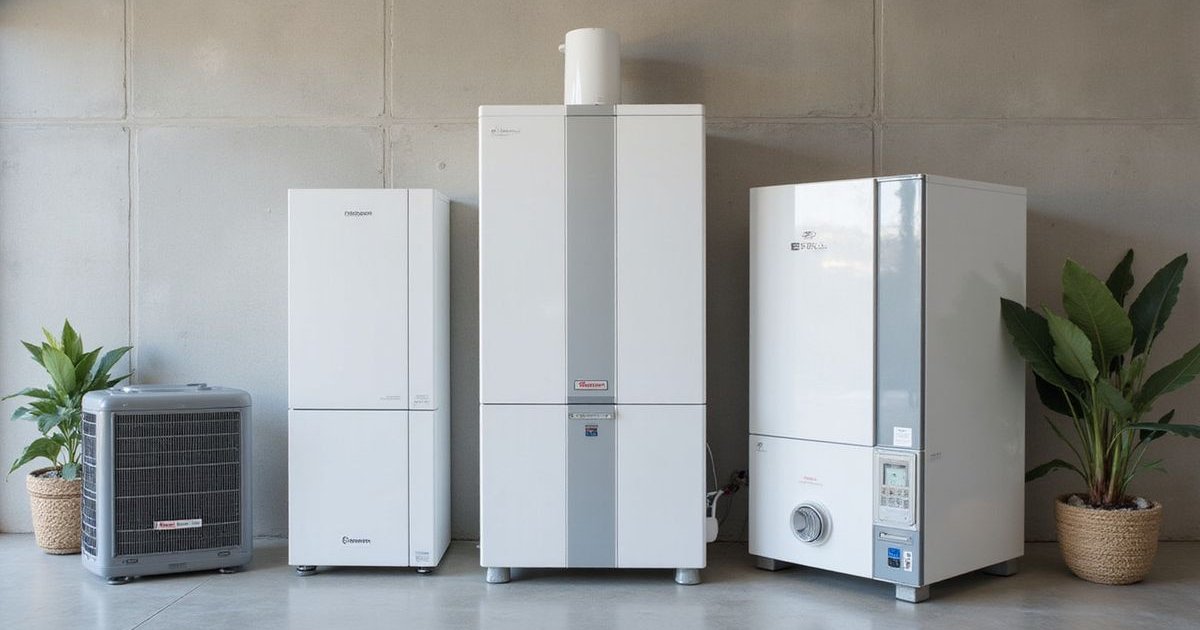
| System Size | Estimated STCs (Zone 3) | Est. Rebate Value (@ $38/STC) |
|---|---|---|
| Small (150L - 200L) | 18 - 21 | $684 - $798 |
| Medium (250L - 270L) | 22 - 27 | $836 - $1,026 |
| Large (300L - 315L) | 28 - 34 | $1,064 - $1,292 |
Note: These figures are estimates based on typical Zone 3 calculations and current market prices. Exact values change based on the specific model installed.
How to Claim Your STCs
You technically have two ways to access this money, but one is significantly easier than the other.
Option 1: Point of Sale Discount (Recommended)
This is the industry standard for a reason. You assign the right to create the certificates to the installer. In exchange, the installer gives you the cash value as an immediate discount on your invoice.
We utilize this method for 99% of our jobs at Hot Water System Perth. The rebate is deducted from your quote before you even pay the deposit.
You get the financial benefit instantly without navigating the trading market.
Option 2: Managing the Trade Yourself
It is possible to claim STCs independently through the Clean Energy Regulator. This process requires you to:
- Register an account with the REC Registry.
- Validate the installation data.
- Queue your certificates for sale in the clearing house or open market.
- Wait for a buyer.
This process is time-consuming and often results in payment delays of several months. Unless you are a high-volume trader, the administrative effort rarely justifies the small potential difference in return.
Strict Eligibility Criteria
Not every hot water system qualifies for this government support. To ensure your installation generates STCs, it must meet specific regulatory standards.
System Specifications
- Certification: The specific model must be listed on the Clean Energy Regulator’s Register of Solar Water Heaters.
- Capacity Limits: The tank must have a capacity of 700L or less for residential claims.
- New Equipment: You cannot claim rebates on second-hand units or reused parts.
Installation Standards
- Licensing: The unit must be installed by fully licensed tradespeople. In WA, this typically requires both a licensed plumber and a licensed electrician.
- Compliance: The work must meet all Australian Standards (AS/NZS 3500) and WA electrical requirements.
- Replacement Verification: The paperwork must accurately reflect whether this is a replacement of an old unit or a new build installation.
Who Can Claim?
- The Owner: The person who owns the system at the time of installation.
- The Assignee: The installer or retailer (like us) if you sign over the rights.
Other Incentives to Watch
While the federal SRES is the main contributor to price reductions, other opportunities occasionally appear.
Local Council Sustainability Grants
Western Australia does not currently have a blanket state-wide rebate for heat pumps on top of the federal scheme. However, local governance sometimes steps in.
Councils with strong “green” targets occasionally offer small grants (typically $100-$500) for sustainable home upgrades. It is worth checking the website of your specific council—such as the City of Cockburn, City of Vincent, or the Town of Cambridge—before booking your job.
These funds often have capped pools and run out quickly.
Energy Retailer Rewards
Select energy retailers periodically run rewards programs for efficient appliances.
These are rarely direct cash-back offers but may come in the form of bill credits or “distributed energy” bonuses if you are also installing solar PV. Checking your current plan with Synergy or your specific provider takes only a few minutes and could yield a surprise credit.
ROI: Why The Rebate Matters
The rebate reduces the “gap” between a cheap, inefficient system and a high-performance heat pump.
When you combine the STC discount with ongoing running cost savings, the Return on Investment (ROI) usually falls between 2 to 4 years.
Annual Running Cost Comparison (Perth Average):
| System Type | Avg. Annual Cost | 10-Year Cost |
|---|---|---|
| Electric Storage | $1,200+ | $12,000+ |
| Gas Storage (Natural) | $850+ | $8,500+ |
| Heat Pump | $250 - $300 | $2,500 - $3,000 |
Data reflects approximate average usage for a 4-person household in WA.
Maximising Your Financial Benefit
Getting the highest quality system for the lowest net price requires a strategic approach.
- Prioritize Efficiency Over Size: A more efficient 250L system often generates more STCs (and a bigger rebate) than a less efficient 315L system.
- Verify the Zone: Ensure your quote calculates STCs based on Zone 3 (Perth) rather than a lower-yielding zone.
- Book Before Year-End: Installations completed in December get the current year’s deeming period multiplier. Waiting until January drops the rebate value due to the phase-out schedule.
How We Simplify the Process
We handle the bureaucracy so you can focus on enjoying consistent hot water.
- ** Assessment:** We identify the unit that provides the best balance of hot water delivery and STC generation for your specific home.
- Calculation: We calculate the exact daily STC price to ensure you get the maximum market value.
- Deduction: We strip the rebate value directly off your final invoice.
- Submission: We file all compliance paperwork with the regulator.
Your quote will clearly display the “Gross System Price” and the “Net Payable Amount” so there is zero ambiguity.
Frequently Asked Questions
Can I claim STCs if I install the unit myself? No. The Clean Energy Regulator requires a compliance certificate from a licensed plumber and electrician. DIY installations legally disqualify you from receiving the rebate.
Does this apply to new homes or just replacements? It applies to both. Whether you are building a new home in Baldivis or replacing a rusted unit in Fremantle, the SRES incentives are available.
What happens if the STC price drops after I get a quote? Most reputable installers (including us) lock in the STC value at the time of the quote acceptance. This protects you from market volatility between your booking and the installation date.
Are businesses eligible for these rebates? Yes. Commercial properties usage fits under the same “Small-scale” scheme provided the system capacity is under 700L and electricity consumption is verified.
Ready to Upgrade?
The 2030 phase-out means these incentives are slowly disappearing. Contact us today for a precise calculation of your rebate eligibility. We will provide a transparent assessment showing exactly how much the government will contribute to your new system.