If you’ve ever wondered why your hot water comes out at a different temperature than it’s stored, the answer is likely a small but important device: the tempering valve. Understanding this is essential for compliance upgrades in Western Australia. Here’s everything you need to know about these safety devices and why they matter.
What Is a Tempering Valve?
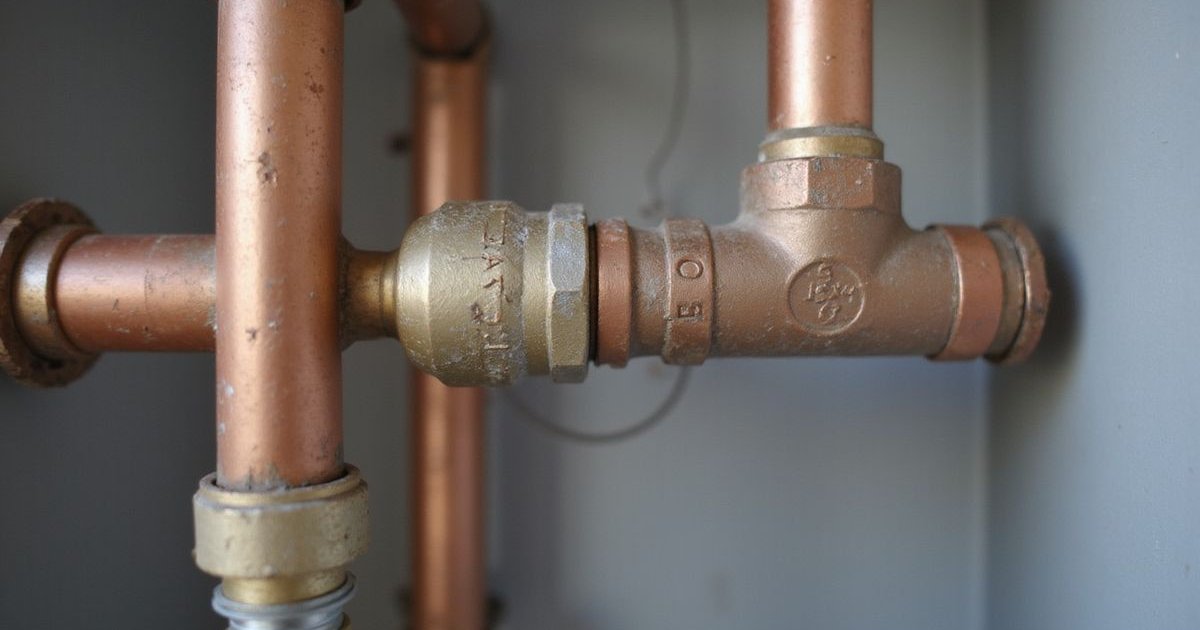
A tempering valve (often called a thermostatic mixing valve or TMV in commercial settings) is a plumbing device that blends hot and cold water to deliver it at a controlled, safe temperature.
How It Works
The tempering valve contains a temperature-sensitive element that constantly adjusts to keep you safe.
- Senses the outlet water temperature
- Adjusts the mixing ratio of hot and cold water
- Maintains a consistent output temperature regardless of inlet variations
- Responds automatically to changes in supply temperatures
When you open a hot tap, water flows through the tempering valve. The valve’s internal mechanism ensures the water reaching you is at the set temperature, typically 50°C for bathroom outlets.
The Mechanism Inside
Inside a tempering valve, a thermal element (usually wax or a spring) expands or contracts with temperature changes. This movement controls a piston or shuttle. The piston adjusts how much hot versus cold water passes through.
The “Fail-Safe” Feature: One of the most critical safety features is the thermal shutdown. If your cold water supply suddenly fails (like a burst main), the valve automatically shuts off the hot water flow. This prevents you from being sprayed with 70°C+ water straight from the tank.
The Secret Color Codes: Which Valve Do You Have?
You might notice different colored caps on tempering valves. These aren’t just for decoration. They indicate the pressure rating and the type of heat source the valve is designed to handle. Using the wrong one is a common cause of system failure we see in Perth.
| Cap Colour | System Type | Best Application |
|---|---|---|
| Blue | Electric Storage | Standard electric water heaters (most common). |
| Green | Gas & Instantaneous | High-performance systems that need faster response times. |
| Orange | Solar & Heat Pump | Designed for high-temperature solar water (can handle up to 99°C). |
| Black | Large Capacity | Commercial systems or large homes with high flow requirements. |
Pro Tip: Never use a Blue cap valve on a solar system. The extreme heat from solar collectors can melt the internal components of a standard valve, leading to failure within months.
Why Tempering Valves Are Necessary
The Hot Water Dilemma
Hot water systems face competing requirements.
For bacteria control: Water must be stored at 60°C or higher to kill Legionella bacteria, which causes Legionnaire’s disease.
For scald prevention: Water delivered to bathroom taps must be 50°C or less to prevent burns, especially for children and elderly people.
A tempering valve solves this by allowing safe storage temperatures while delivering safer use temperatures.
Scalding Statistics
Hot water scalds are serious. In Western Australia alone, thousands of hospitalizations occur due to burns and scalds, with children under five being the most vulnerable group.
- Water at 60°C causes full-thickness burns in 5 seconds
- Water at 70°C causes full-thickness burns in 1 second
- Children’s skin burns 4x faster than adults
- Elderly and those with reduced sensation are at high risk
- Most scalds occur in the bathroom
Vulnerable Groups
Those most at risk from hot water scalds include:
- Children under 5: Thinner skin, slower reaction times
- Elderly: Reduced sensitivity, mobility issues
- People with disabilities: May not be able to react quickly
- Those with conditions affecting sensation: Diabetes, neuropathy
Tempering valves protect everyone, but especially these vulnerable groups.
How Hot Is Too Hot?
Understanding the relationship between temperature and scald risk helps explain why the 50°C limit is standard.
| Temperature | Time to Full-Thickness Burn (Adult) | Time to Full-Thickness Burn (Child) |
|---|---|---|
| 70°C | 1 second | 0.5 seconds |
| 65°C | 2 seconds | 1 second |
| 60°C | 5 seconds | 1.5 seconds |
| 55°C | 30 seconds | 7 seconds |
| 50°C | 5 minutes | 5 minutes |
At 50°C, there’s a significant safety margin. While prolonged exposure can still cause burns, it gives you time to react and move away.
Where Tempering Valves Are Required
Mandatory in WA for:
New residential buildings:
- All bathroom outlets (basins, showers, baths)
- Required under AS 3500.4
- Part of building compliance since the early 2000s
Major renovations:
- When bathroom plumbing is substantially modified
- When replacing an old hot water unit (even if the old one didn’t have a valve)
Childcare & Aged Care facilities:
- All hot water outlets accessible to residents
- Stricter temperature requirements (often 45°C via a Thermostatic Mixing Valve)
Not Required for:
Kitchen sinks:
- Adults are assumed users
- Higher temperatures benefit dishwashing (grease removal)
- Often plumbed via a separate “tempered bypass” line
Laundry taps:
- Same reasoning as kitchen
- Hot water for effective cleaning
Older homes without modification:
- Pre-regulation properties are grandfathered
- We strongly recommend retrofitting one for safety, even if not legally forced.
Types of Tempering Valves
Point-of-Use TMV
Installed at individual fixtures.
- One valve per tap or shower
- Precise control at each outlet
- More expensive for multiple fixtures
- Used in healthcare settings
Central Tempering Valve
Installed near the hot water unit.
- One valve serves all bathroom outlets
- Cost-effective for residential use
- Most common in Perth homes
- Separate line can bypass for kitchen/laundry
Thermostatic Shower Valves
Built into shower mixer units.
- Provides temperature control at the shower
- Adds scald protection at that specific outlet
- Doesn’t replace central tempering valve
- Enhances user comfort and safety
Installation Location
Where Is a Tempering Valve Installed?
Typical installation usually follows this path:
- On the hot water outlet pipe from the storage tank
- Cold water supply connected for mixing
- Before the bathroom plumbing branches off
- After kitchen/laundry lines branch (if they bypass)
New Regulation Update (AS 3500.4:2025): Recent updates to Australian Standards place a heavy emphasis on isolation valves. Your plumber should install isolation valves on both the hot and cold inlets of the tempering valve. This makes future maintenance or replacement much faster and cheaper, as the whole house water supply doesn’t need to be shut off.
Access Requirements
Tempering valves should be:
- Accessible for maintenance and adjustment
- Protected from physical damage
- Installed according to manufacturer specifications
- Oriented correctly for proper function
Maintenance Requirements
Regular Checking
Tempering valves should be:
Tested annually:
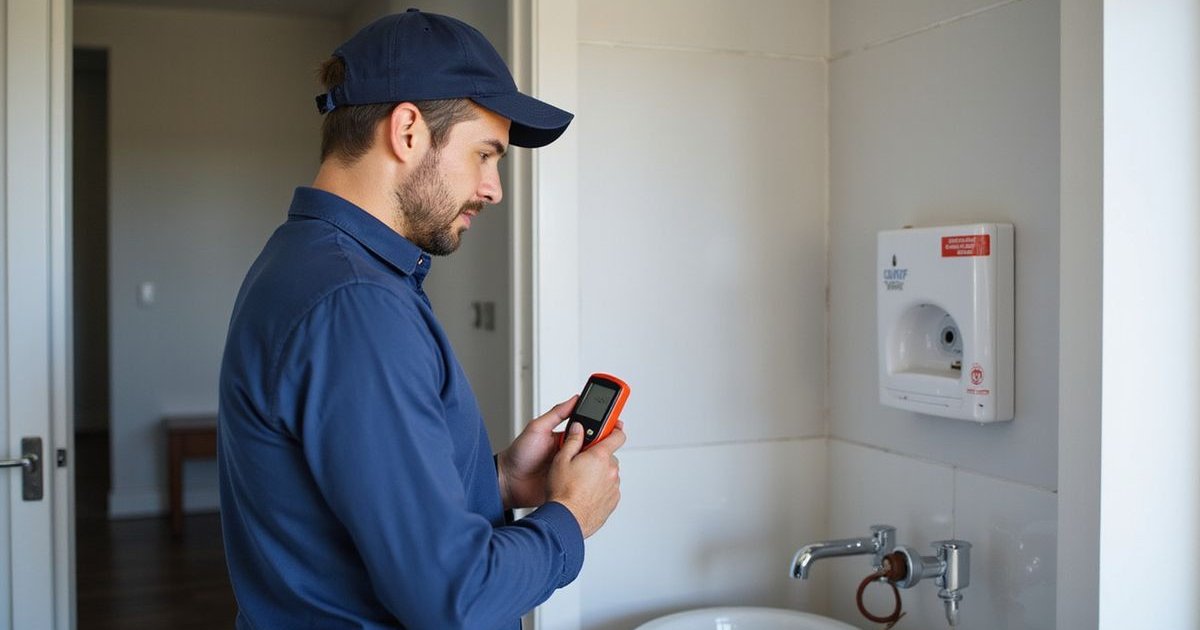
- Check outlet temperature at the nearest tap
- Verify correct operation
- Adjust if necessary
Serviced as needed:
- Replace worn components
- Clean debris from valve filters (strainers)
- Address any faults
Signs of Problems
Watch for these common failure symptoms:
- Reduced hot water flow: This often means the fine mesh strainers inside the valve are clogged with sediment.
- Water runs hot then cold: The thermal element may be sticking.
- Water is lukewarm only: The cold water inlet might be overpowering the hot, or the element has failed “safe” (closed).
- Leaking from the cap: The O-rings have perished.
Lifespan
Quality tempering valves typically last 5 to 8 years. While some manufacturers state a longer potential life, the harsh water conditions in parts of WA often shorten this. We generally suggest planning for replacement every 5 years to ensure consistent safety.
Common Questions
Does a tempering valve reduce water pressure?
Slightly. Quality valves have minimal pressure drop, typically not noticeable in normal use. If you experience significant pressure loss, the valve filters (strainers) may be blocked with debris.
Can I adjust my tempering valve?
Most tempering valves have an adjustment mechanism, usually under a colored cap. Adjustment should only be done by a licensed plumber using a thermometer to verify the output. A small turn can change the temperature by several degrees.
Why is my bathroom water still too hot?
Possible causes:
- No tempering valve installed
- Valve set incorrectly
- Valve has failed
- Valve bypassed in plumbing Contact a plumber to investigate.
Do instantaneous systems need tempering valves?
Many modern instantaneous units have electronic temperature limiting (preset to 50°C). However, a tempering valve provides an additional safety layer and is sometimes still required depending on the specific pipe run and distance to the bathroom.
What if the tempering valve fails?
Quality valves are designed to fail safely.
- If cold supply fails: Valve should shut off (prevents scalding)
- If hot supply fails: Water continues cold
- If mechanism fails: Usually fails toward cooler temperatures
However, regular testing ensures valves function correctly.
Cost of Tempering Valves
Supply and Installation
Typical cost: $250-$450 installed.
This includes:
- Quality tempering valve (AS-certified like RMC or AVG)
- Plumber labour
- Pipe modifications if needed
- Testing and commissioning
Complex Installations: If your existing pipework is old or lacks the necessary isolation valves, the cost can range from $450 to $600 due to the extra labor required to bring it up to the current 2025 standards.
Ongoing Costs
Annual testing: Often included in hot water service (~$50-$80 if separate).
Replacement (every 5-8 years): Similar to initial installation.
Value Perspective
For the cost, you receive:
- Protection from severe burns
- Regulatory compliance
- Peace of mind
- Potential liability protection
Compared to the consequences of scalding injuries, it’s a small investment.
Get a Tempering Valve Installed
At Hot Water System Perth, we supply and install quality tempering valves for Perth homes. Our service includes:
Professional installation:
- AS-certified valves matched to your system type (Solar/Gas/Electric)
- Correct positioning and setup
- Temperature testing and verification
- Documentation for your records
Expert advice:
- Assess your current setup
- Recommend appropriate products
- Explain the installation process
- Ensure compliance with AS 3500.4
Protect your family from scalding. Contact us to discuss tempering valve installation for your Perth home.