Hot Water Compliance When Selling Your Perth Home: What You Need
Selling your Perth home involves numerous considerations, and your hot water system might not be at the top of your list. However, understanding hot water compliance can help you avoid surprises during the sale process and potentially strengthen your negotiating position.
The Reality of WA Hot Water Laws in 2026
The “No Certificate” Surprise
Many Perth sellers assume they need a “Hot Water Compliance Certificate” to hand over at settlement, similar to the requirements for RCDs and smoke alarms. We find that this is the most common misconception among our clients.
The truth is that Western Australia currently has no mandatory requirement for a specific hot water inspection certificate at the point of sale.
This means you can technically sell a property with an old, non-compliant system without breaking the law. However, relying solely on this technicality is often a strategic mistake. Savvy buyers are now using the state of your plumbing as a primary negotiation lever to drive down the final sale price.
Why Compliance Still Matters
Buyers are more educated than ever, often armed with detailed building inspection reports. We often see buyers requesting price reductions of $2,000 to $5,000 for “anticipated plumbing repairs” on systems that simply needed a $300 valve.
Being proactive prevents these last-minute haggles. It allows you to present a home that is “move-in ready” rather than “renovator ready.”
The Critical Compliance Check: Tempering Valves
What is a Tempering Valve?
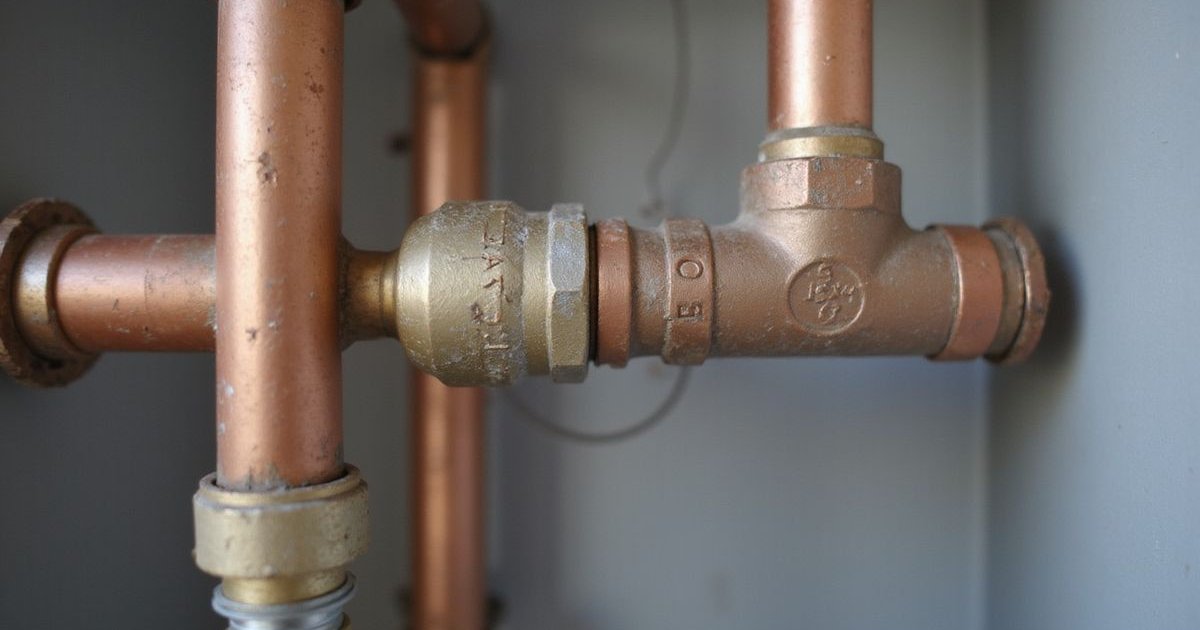
The most frequent compliance issue we encounter in Perth homes is the absence of a tempering valve.
This small valve mixes cold water with hot water from your tank to ensure the water delivered to your bathroom taps does not exceed 50°C.
The 50°C Rule (AS/NZS 3500.4)
According to Australian Standard AS/NZS 3500.4, all new hot water installations or significant replacements must include temperature control.
While you aren’t legally forced to retrofit one just to sell, not having one is a red flag for safety-conscious buyers, especially young families. It signals that the system is either old or was installed by an amateur.
Cost to Rectify
Fixing this is surprisingly affordable compared to the potential hit on your sale price.
Estimated Costs in Perth (2026):
- Valve Supply: $80 - $140
- Installation Labor: $100 - $250
- Total Investment: $180 - $390
We recommend getting this done before your first home open. It’s a low-cost upgrade that allows you to tick the “Safety Compliant” box on marketing materials.
Assessing Your System: The “Perth Hard Water” Factor
The Invisible Enemy
Perth’s water is notoriously “hard,” meaning it carries a high mineral content that is tough on steel tanks.
We see standard systems here fail 2-3 years earlier than the national average due to calcium buildup. Anode rods—the sacrificial metal sticks inside your tank that prevent rust—often dissolve completely within 4-5 years in suburbs with particularly hard water.
Expected Lifespans in WA
Use this table to judge where your system sits in its lifecycle:
| System Type | Typical Lifespan (National) | Typical Lifespan (Perth) | Replacement Cost (Installed)* |
|---|---|---|---|
| Electric Storage | 10-15 Years | 8-12 Years | $1,000 - $2,500 |
| Gas Storage | 8-12 Years | 7-10 Years | $1,300 - $2,800 |
| Continuous Flow (Gas) | 20 Years | 15-18 Years | $1,400 - $3,000 |
| Heat Pump | 10-15 Years | 10-15 Years | $3,000 - $7,000 |
*Estimated installed costs for 2026. Prices vary based on size and site access.
If your system is nearing the end of these ranges, expect the buyer’s building inspector to note it as a “major defect” or “immediate replacement required.”
The “Iplex Pipe” Question
A Specific WA Concern
Between 2017 and 2022, thousands of WA homes were built with Iplex polybutylene pipes that have since been linked to bursting failures.
We are increasingly seeing buyers ask specifically about the year of the plumbing installation. While this isn’t the hot water unit itself, the piping connected to it is under scrutiny.
If your home was built or renovated during this window, have your paperwork ready. Being able to prove you do not have the affected pipes (or that they have been remediated) is a massive selling point.
Pre-Sale Strategy: Fix, Replace, or Discount?
Option 1: The “As-Is” Sale
You leave the system exactly as it is.
This is the path of least resistance but highest risk. You might save upfront cash, but you lose control of the narrative. A buyer who sees a rusty, non-tempered unit will assume the worst and likely deduct the cost of a top-tier replacement (e.g., $3,000) from their offer.
Option 2: The Minor Service
You hire a plumber to check the anode, test the relief valve, and install a tempering valve if missing.
We find this offers the best return on investment. For roughly $300-$500, you can provide a receipt showing the system has been “recently serviced and safety checked.” This neutralizes the buyer’s ability to demand a massive discount.
Option 3: Full Replacement
You install a brand-new system before listing.
Consider this only if your current unit is leaking or visibly rusted through. A shiny new system is a great feature, but you rarely get every dollar back in the sale price. It is usually better to offer a credit unless the unit is actively failing.
Strata Properties: Who Owns the Hot Water?
The “Lot” vs. “Common” Confusion
In Perth apartments and units, ownership lines can be blurry.
Generally, if the hot water unit serves only your apartment, it is your responsibility to maintain and replace. However, if it is a large centralised boiler system feeding multiple units, it is likely “Common Property” managed by the Strata Company.
Check the By-Laws
Before listing a strata property, ask your Strata Manager for confirmation in writing.
We have seen settlements delayed because a buyer’s conveyancer wasn’t sure if the special levy for a new boiler system had been paid. Clarity here builds trust.
Tax Implications for Investors
Repairs vs. Improvements
If you are selling an investment property, the ATO treats pre-sale work differently depending on the scope.
Immediate Deduction (Repair): Fixing a broken part, like a thermostat or relief valve, to restore function is generally deductible in the year it occurs.
Capital Works (Improvement): Replacing the entire hot water unit is typically considered a capital improvement. This means you generally cannot claim the full cost immediately but may need to depreciate it or add it to the property’s cost base, which reduces your Capital Gains Tax.
Note: We are hot water experts, not accountants. Always verify your specific situation with a tax professional.
Our Pre-Sale Services
At Hot Water System Perth, we specialize in helping sellers remove plumbing obstacles before they kill a deal.
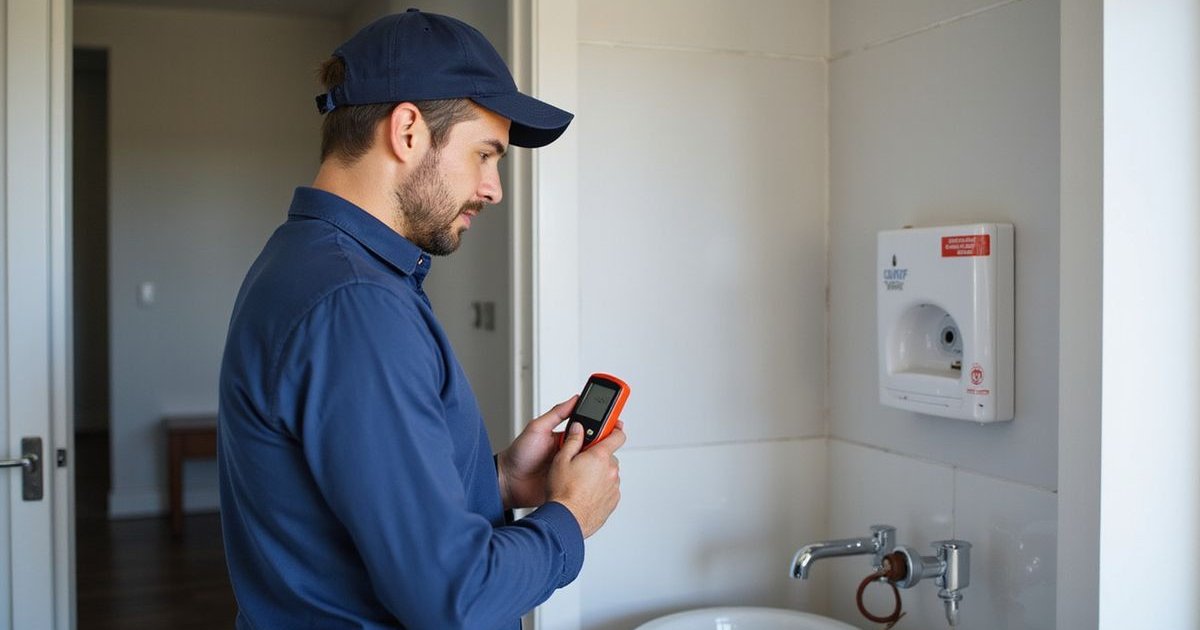
Compliance & Safety Check: We perform a comprehensive audit of your tempering valve, pressure relief valves, and tank integrity.
Pre-Sale Service Package: Our team will flush the tank, replace the sacrificial anode, and provide a formal “System Health Report” you can display at your open home.
Rapid Replacement: If your system fails during the settlement period, we offer priority installation to ensure you don’t breach your contract.
Contact us today to ensure your hot water system adds value to your home rather than subtracting from it.