Heat Pump vs Solar Hot Water: Which Is Better for Perth Homes?
Both heat pump and solar hot water systems offer significant energy savings for Perth homeowners. But which is the better choice for your home? Let’s compare these two technologies across the factors that matter most.
How Each Technology Works
Heat Pump Hot Water
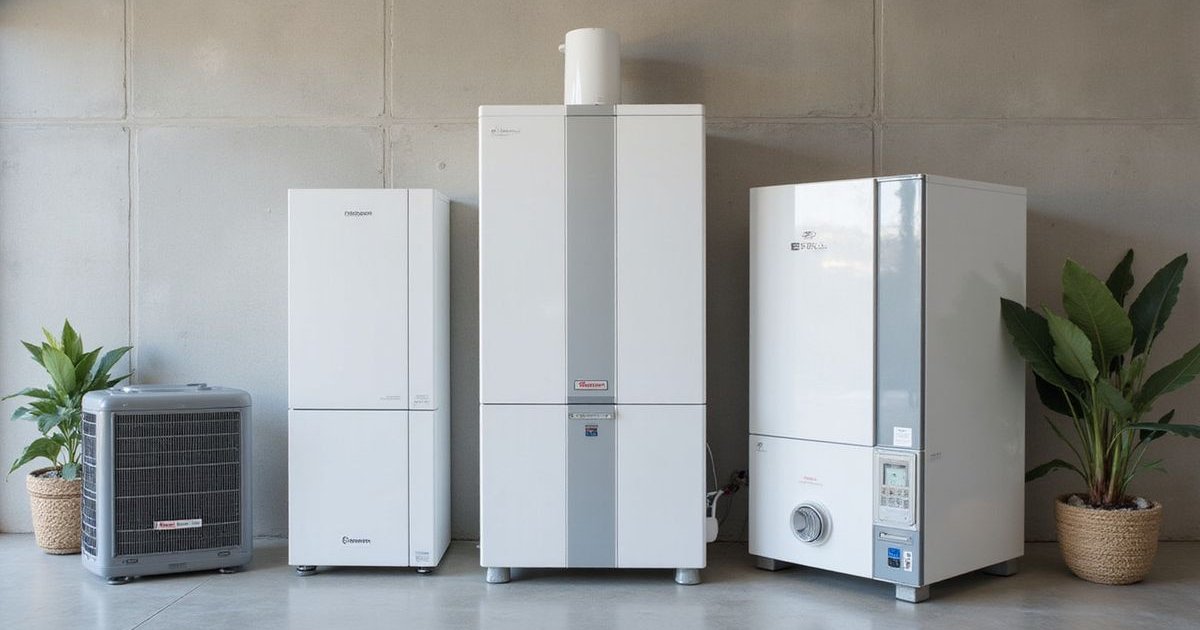
Heat pumps extract warmth from the ambient air and use it to heat water. Think of it like a refrigerator working in reverse—instead of removing heat from inside a box, it pulls heat from the outside air and transfers it into your tank.
The system uses a compressor and a refrigerant cycle (often using modern refrigerants like R290) to amplify this heat. This process allows them to be incredibly efficient. For every 1 unit of electricity they consume, they can generate 3 to 4 units of heating energy.
Solar Hot Water
Solar hot water systems use roof-mounted collectors to capture the sun’s energy directly. Water or a specialized fluid circulates through these collectors, heats up, and flows back to a storage tank.
You will typically see two main types in Perth. Flat plate collectors are the dark panels that look like solar PV panels but are thicker. Evacuated tube collectors use glass tubes and are generally more efficient in colder conditions or low light.
Efficiency Comparison in Perth
Heat Pumps in Perth’s Climate
Perth’s climate is practically purpose-built for heat pumps. These systems run most efficiently when the air temperature is above 7°C. Since our winters are mild, a quality heat pump will run at peak efficiency almost all year round.
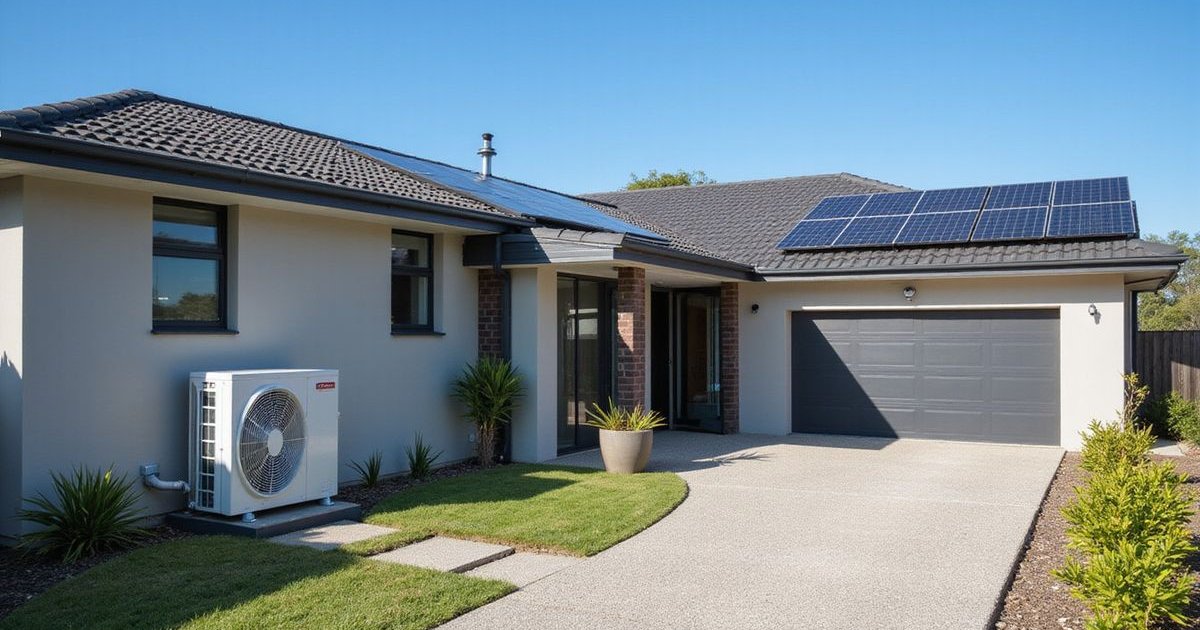
We find that the real efficiency “hack” for Perth residents is pairing a heat pump with rooftop solar panels. Synergy’s DEBS buyback rate for exporting solar power in the middle of the day is currently very low (around 2-3 cents/kWh).
Instead of selling your solar power for peanuts, you can set your heat pump to run on a timer between 10:00 AM and 2:00 PM. This essentially gives you a “solar battery” in the form of hot water, heating your tank for free using your own excess power.
Solar Hot Water in Perth’s Climate
Perth is one of Australia’s sunniest cities, averaging over 8 hours of sunshine daily. This abundant solar resource means solar hot water systems can provide 60-80% of a household’s hot water needs from the sun.
The challenge comes in June and July. During these winter months, shorter days and increased cloud cover mean the system relies heavily on its electric or gas booster. You might be surprised to see your energy bill spike in winter because that “free” solar hot water is actually being heated by the expensive booster element.
Cost Comparison
Upfront Costs (2026 Estimates)
Prices have shifted recently due to changes in the STC rebate scheme. Here is what you can expect to pay for a fully installed quality system in the Perth metro area.
| System Type | Typical Cost (Installed) | Rebate Notes |
|---|---|---|
| Heat Pump | $3,500 - $4,900 | Includes STC deduction |
| Solar (Flat Plate) | $4,000 - $5,500 | Roof reinforcement may add cost |
| Solar (Evacuated Tube) | $5,500 - $7,500 | Higher labor cost for install |
Note: Prices include the deduction of Small-scale Technology Certificates (STCs).
Running Costs
The following table estimates annual running costs based on a standard Perth family of four using Synergy’s A1 Home Plan tariff (approx. 32c/kWh).
| System Type | Annual Cost |
|---|---|
| Electric Storage | $900 - $1,200 |
| Gas Storage (Natural Gas) | $500 - $700 |
| Solar Hot Water | $150 - $300 |
| Heat Pump (Grid Power) | $200 - $350 |
| Heat Pump (Solar PV) | $0 - $50 |
If you have solar panels, the heat pump becomes the clear winner for running costs.
Installation Considerations
Heat Pump Requirements
- Placement: The unit sits on the ground like an air conditioner. It needs good airflow, so we can’t box it in completely.
- Noise Regulations: This is critical in WA. Regulations limit noise at your property boundary to 35 dB(A) after 10 PM. We always check that the unit is positioned away from your neighbor’s bedroom window to avoid compliance issues.
- Electrical: Requires a standard electrical connection. Older homes may need a minor switchboard upgrade.
Solar Hot Water Requirements
- Roof Orientation: You really need a north-facing roof area. East or West can work but will be less efficient in winter.
- Structural Integrity: A roof-mounted tank can weigh over 300kg when full. Many older Perth timber-framed roofs require structural reinforcement, which can add $500+ to the install cost.
- Shading: Even partial shading from a gum tree or a second-story extension can significantly drop performance.
Reliability and Maintenance
Heat Pumps
- Lifespan: 10-15 years is typical for premium brands like iStore or Rheem.
- Maintenance: Clean the air intake filters every 6 months (you can do this yourself).
- Water Quality: Perth has “hard” water with high mineral content. The sacrificial anode protecting the tank must be checked every 3-5 years to prevent tank corrosion.
Solar Hot Water
- Lifespan: Collectors can last 20+ years, but the tank is usually 10-15 years.
- Maintenance: Needs a professional service every 5 years to flush the collectors and check the glycol/fluid levels.
- Vulnerability: Storm damage (hail) is a real risk for roof collectors. Ensure your home insurance specifically covers the glass collectors.
Environmental Impact
Both systems significantly reduce greenhouse gas emissions compared to electric or gas systems:
- Heat pumps use approximately 70-80% less electricity than electric storage.
- Solar systems derive 60-80% of energy directly from the sun.
We see heat pumps as the “future-proof” option. As the WA electricity grid gets greener with more renewables, your heat pump’s carbon footprint drops even further.
Which Should You Choose?
Heat Pump Is Better If:
- You have rooftop solar panels (PV) and want to utilize your excess power.
- Your roof space is limited, shaded, or faces the wrong way.
- You want to avoid heavy equipment on your roof.
- You prefer a system with consistent year-round efficiency.
- You want an easier installation without expensive plumbing runs to the roof.
Solar Hot Water Is Better If:
- You do not have (and don’t plan to get) rooftop solar panels.
- You have a perfect North-facing roof with zero shading.
- You have limited ground space for a compressor unit.
- You are replacing an existing roof-mounted solar system and the plumbing is already in place.
Either Works Well If:
- You are replacing an old electric storage “guzzler.”
- You want to cut your water heating bill by 70% or more.
- You are eligible for STC rebates (which applies to both).
Our Recommendation for Perth
For most Perth homeowners, both technologies deliver excellent results. Our recommendation depends on your specific situation:
We often recommend heat pumps for the modern Perth home. The combination of high efficiency, easy installation, and the ability to run for “free” off your solar panels makes them the smartest financial choice for 2026.
We recommend solar hot water when roof space allows and solar PV isn’t an option. If you have a large family using water at night and no solar panels, a traditional solar thermal system with a large tank can still be a powerhouse performer.
The best approach is a professional assessment where we evaluate your property, roof, hot water needs, and preferences to recommend the most suitable system.
Get Expert Advice
Not sure which technology suits your Perth home? Contact us for a free assessment. We’ll inspect your property and provide honest, unbiased advice on whether heat pump or solar hot water is the better choice for your situation.