The debate between gas and electric hot water systems has been ongoing for decades. With energy prices continuing to rise in Perth, making the right choice has never been more important.
We founded Hot Water System Perth in 2021 because we saw too many homeowners wasting money on the wrong repairs or inefficient replacements.
This choice impacts your wallet every single day.
Let’s compare these two technologies with real numbers.
Understanding the Basics
Electric Hot Water Systems
Electric systems heat water using one or more immersion heating elements. They are simple, reliable, and do not require a gas connection.
Common configurations include:
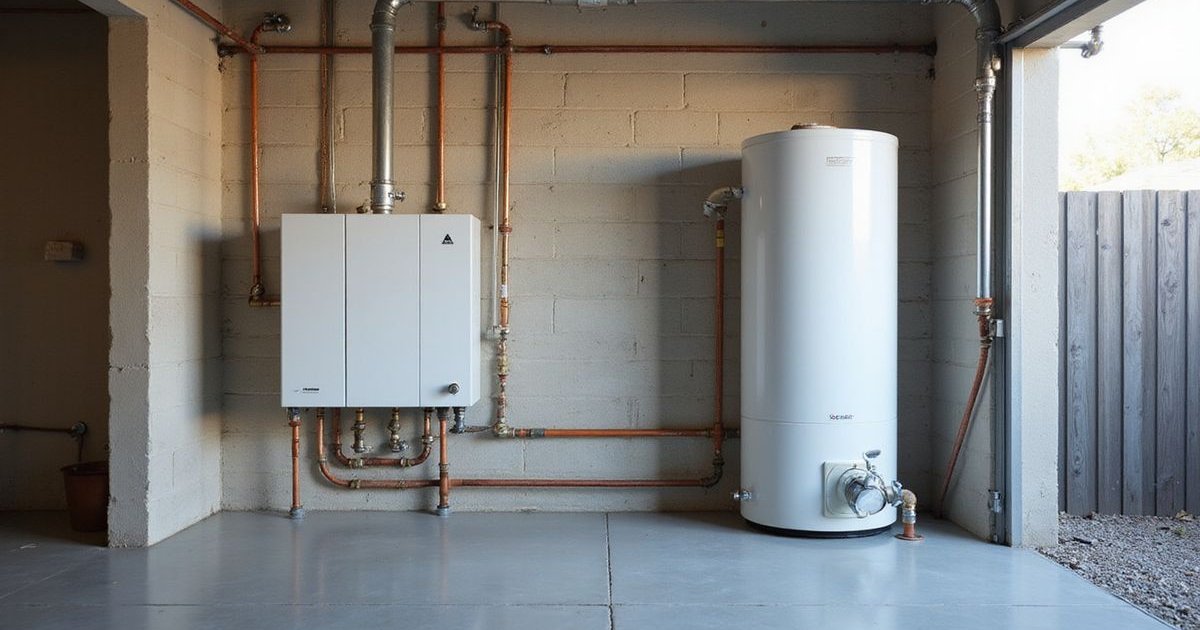
- Storage systems: These units heat and store water in an insulated tank.
- Instantaneous systems: These heat water on demand but are less common due to high power draw requirements.
An insider tip for Perth locals: Our water quality varies across the metro area. Hard water can calcify heating elements quickly. Electric storage systems often use a “sacrificial anode” to prevent tank corrosion. You should check this anode every 3-5 years to double the life of your tank.
Gas Hot Water Systems
Gas systems burn natural gas or LPG to heat water. In Western Australia, this usually means connecting to the ATCO gas network or using bottled gas.
These systems are generally available as:
- Storage systems: A tank maintains a reserve of hot water.
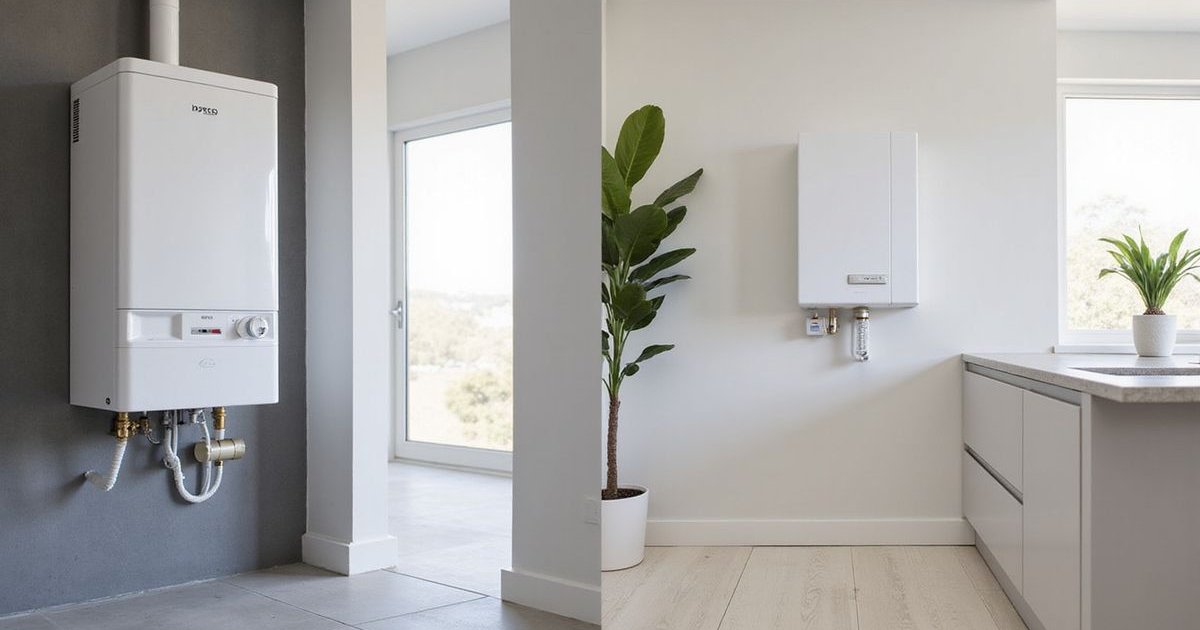
- Continuous flow (instantaneous): A burner ignites only when you turn on the hot tap.
We find that continuous flow units are increasingly popular in smaller Perth lots. They free up side-access space because they mount flush to the wall.
Running Cost Comparison
Based on current Perth energy prices for the 2025-2026 period, the landscape has shifted. We have analyzed rates from major providers like Synergy and Alinta Energy to give you an accurate picture.
Annual Running Costs (4-person household)
The table below breaks down the estimated costs.
| System Type | Annual Cost Estimate |
|---|---|
| Electric Storage (Standard Tariff) | $1,000 - $1,200 |
| Electric Storage (Off-Peak/Solar) | $500 - $700 |
| Gas Storage (Natural Gas) | $450 - $650 |
| Gas Continuous Flow | $400 - $550 |
| Heat Pump (Electric) | $200 - $350 |
Winner: Heat Pump, followed closely by Gas Continuous Flow.
Cost Per Litre of Hot Water
To heat 100 litres of water, the math tells an interesting story:
- Electric (Standard Tariff): ~$0.45
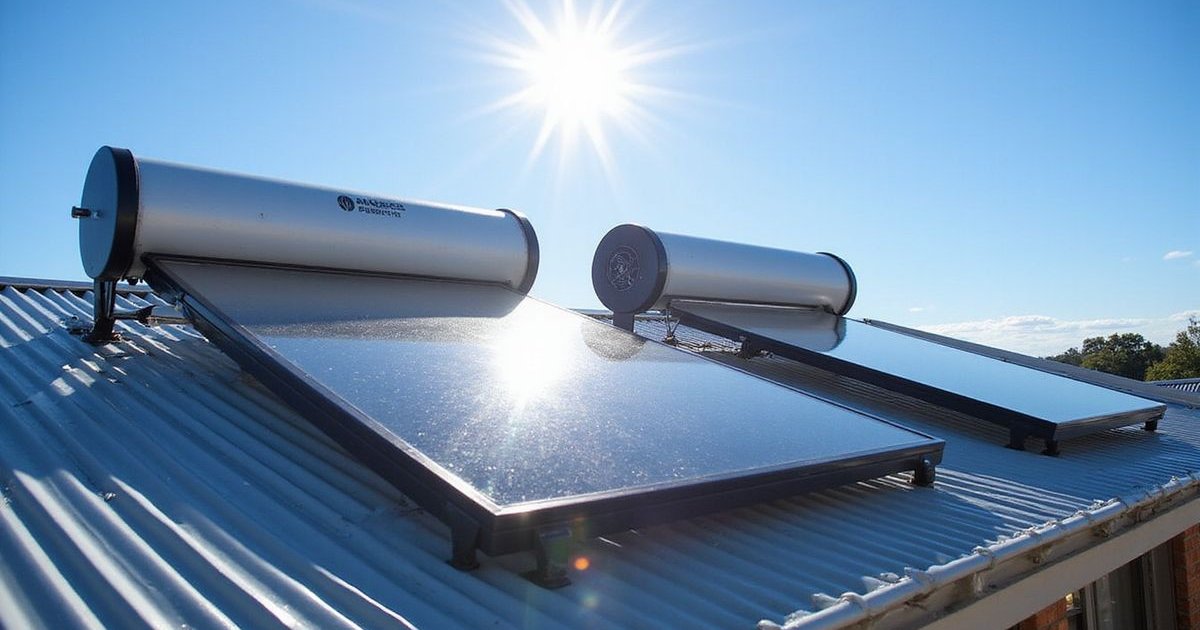
- Electric (Solar Sponge): ~$0.00 - $0.08
- Gas (Natural Gas): ~$0.22
Standard electric systems are the most expensive option on a continuous tariff. However, households with solar panels change this equation entirely.
Why Gas Is Usually Cheaper Than Standard Electric
Despite natural gas prices increasing, gas remains more economical than standard electric storage for a few key reasons.
- Higher efficiency: Gas burners transfer heat rapidly.
- No standing losses on continuous flow: You do not pay to keep a tank of water hot while you are at work.
- Better recovery rate: Gas heats water faster, meaning you can often get away with a smaller, cheaper tank.
The “Supply Charge” Trap: We always remind customers to check their gas bill for the “Daily Supply Charge.” Even if you use zero gas, you pay roughly 20 to 25 cents per day just to have the meter connected. That is nearly $90 a year in fixed costs. If hot water is your only gas appliance, disconnection might actually save you money.
When Electric Makes Sense
Electric hot water can be competitive, and in some cases superior, depending on your setup.
Using Off-Peak Tariffs
Some WA electricity tariffs, like the Synergy Midday Saver, offer heavily discounted rates during specific times. A large electric tank can act as a “thermal battery.” It heats up when power is cheap (or free from your roof) and stores that heat for your evening shower.
No Gas Connection
Connecting natural gas to a property can cost between $2,000 and $5,000 depending on the distance from the street main.
If no gas connection exists, sticking with electric avoids this massive capital outlay.
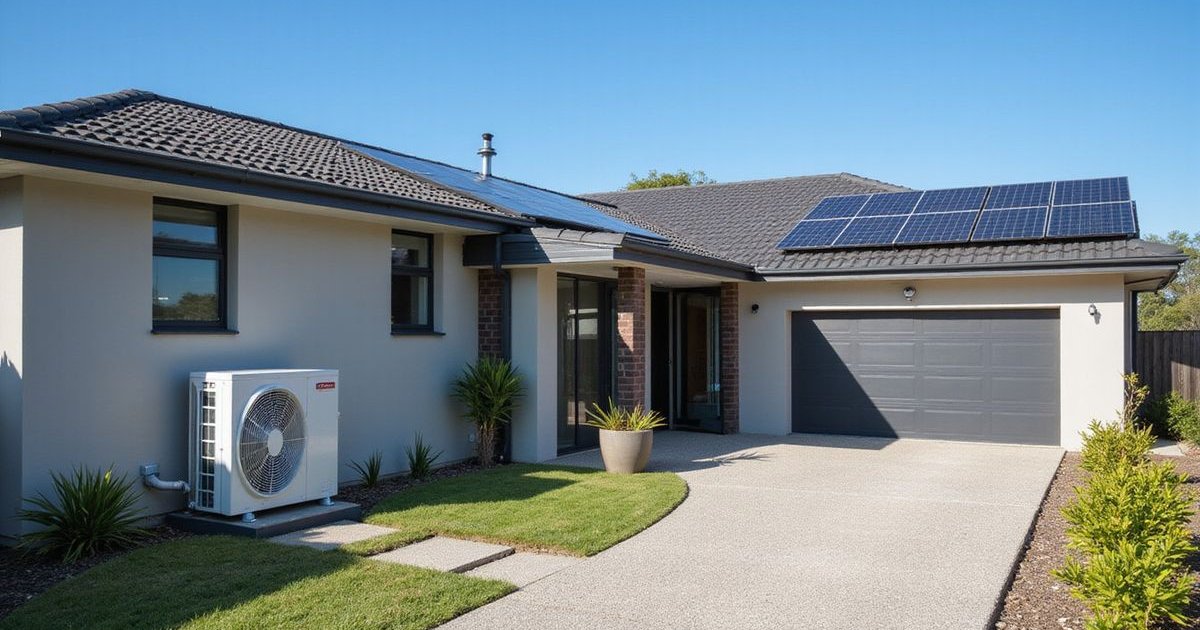
Heat Pump Systems
We cannot discuss electric hot water without mentioning heat pumps.
- Efficiency: They function like a reverse fridge, extracting heat from the air.
- Performance: They use approx 75% less energy than a standard electric element.
- Rebates: Federal STC incentives can knock huge amounts off the purchase price.
If you are considering electric, a heat pump should be your first option.
Total Cost of Ownership
Running costs are not the only consideration. A cheap unit might cost you thousands more over a decade.
Here is a 10-year comparison including purchase, install, and energy use.
Electric Storage
- Purchase & install: $1,500 - $2,500
- 10-year running cost: $10,000 - $12,000 (continuous tariff)
- Total: $11,500 - $14,500
Gas Storage
- Purchase & install: $1,800 - $3,000
- Gas connection (if needed): $2,000 - $5,000
- 10-year running cost: $4,500 - $6,500
- Total: $6,300 - $14,500
Gas Continuous Flow
- Purchase & install: $2,000 - $3,500
- Gas connection (if needed): $2,000 - $5,000
- 10-year running cost: $4,000 - $5,500
- Total: $6,000 - $14,000
Heat Pump (Electric)
- Purchase & install: $3,500 - $5,500 (after rebates)
- 10-year running cost: $2,000 - $3,500
- Total: $5,500 - $9,000
The Verdict: Heat pumps often deliver the lowest total cost of ownership despite higher upfront costs.
Making the Right Choice
Choose Gas If:
- Natural gas is already connected to your home.
- You want lower running costs than standard electric storage.
- Continuous hot water is a priority (families with teenagers often need this).
- Space is tight and you need a compact wall-mounted unit.
Choose Electric (Standard) If:
- You have no gas connection and do not want to pay for one.
- You have a rental property where low upfront cost is the main driver.
- Usage is very low (e.g., a holiday home), so efficiency matters less than capital cost.
Choose Heat Pump If:
- You want the lowest possible running costs.
- You have solar panels and want to utilise your excess generation.
- You are replacing an existing electric system and want to upgrade.
- You want to disconnect from the gas grid entirely to save on supply charges.
Our Recommendation
For Perth homeowners with existing gas connections, gas hot water remains an excellent, economical choice.
However, the data points in a specific direction for many others.
If you are installing a new system or replacing an old electric unit, we strongly recommend considering a heat pump. The combination of low running costs, government rebates, and the ability to run off solar power makes heat pumps the best long-term investment for most Perth homes.
Contact us for a free assessment where we can calculate the true costs for your specific situation.